
Transport information checked: 29 October 2026. Fares below are adult one-way fares unless stated otherwise. Check the operator’s timetable and ticket conditions for your travel date.
Narita Express service changes, 6–8 November 2026: Engineering work affects specified trains on the evening of 6 November, throughout 7 November and on the morning of 8 November. Some services run only between Narita Airport and Tokyo Station, with the Shinjuku/Ofuna sections affected. This is not a closure of the whole airport route. Check JR East’s train-by-train notice and allow time for an onward transfer.
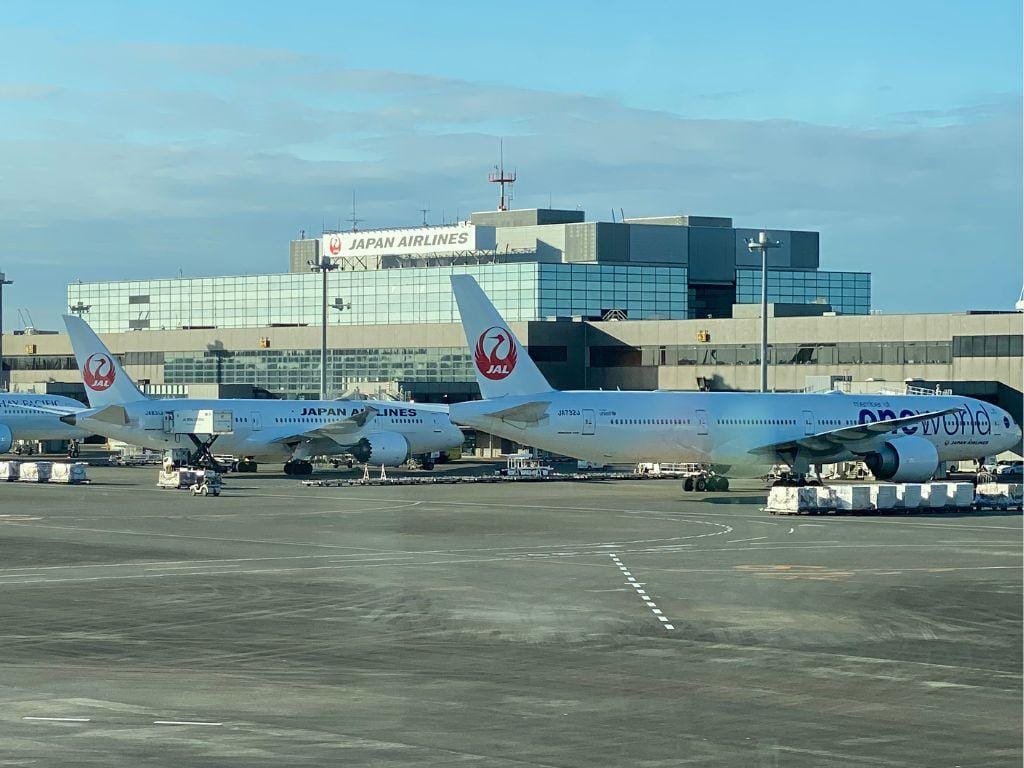
Narita Airport is one of the main entry points into Japan, welcoming travellers from all over. But here’s something that often surprises people, it’s not actually that close to central Tokyo.
Depending on where you’re headed, the journey into the city can take anywhere from around 40 minutes to an hour and a half. In this guide, we’ll walk you through the three main ways to get from Narita to Tokyo, with some honest thoughts to help you figure out what’s easiest, what’s fastest, and what’s worth your money.
Read our Haneda Airport to Tokyo guide if you’re arriving at Haneda instead.
From Narita Airport to Tokyo by Train
Keisei Skyliner: The Fastest Way Into the City
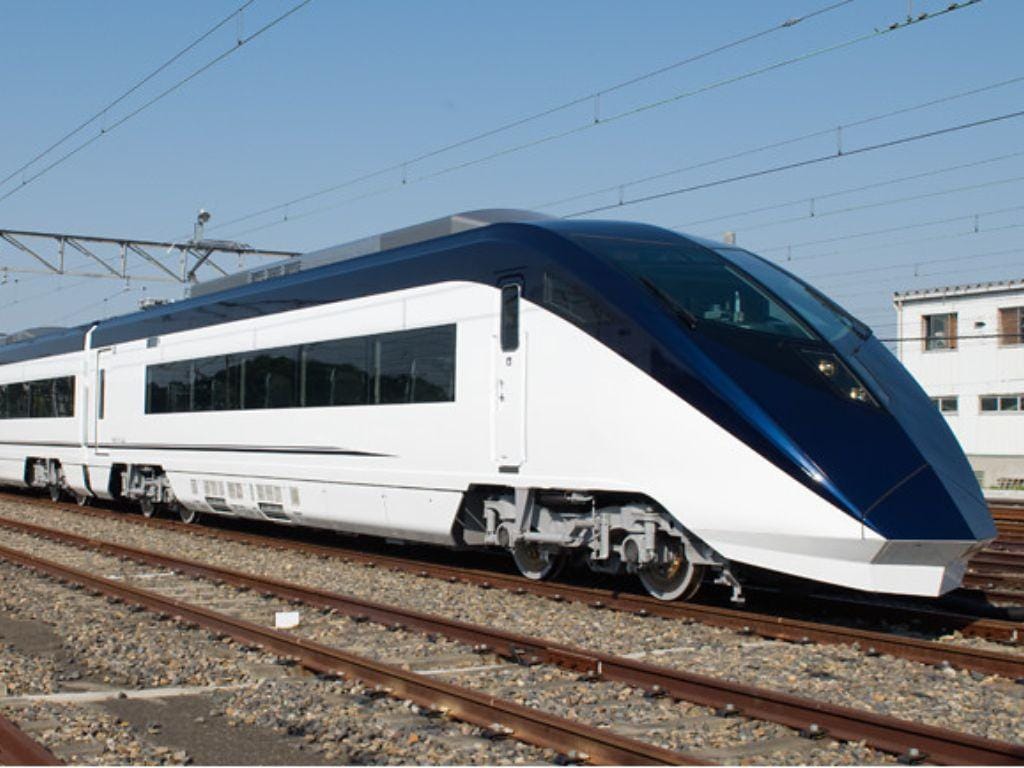
If you just want to get into Tokyo as quickly and smoothly as possible, the Keisei Skyliner is probably your choice, especially if you’re heading towards the east side of the city. It zips from Narita Airport to Nippori Station in about 40 minutes, then just another 5 minutes to Ueno. That’s pretty quick, considering how far out the airport actually is.
A standard adult one-way Skyliner ticket costs ¥2,580. From either Nippori or Ueno, it’s easy to transfer onto the Yamanote Line, which loops through big-name spots like Tokyo Station, Shinjuku, and Shibuya. Or if you’re heading somewhere a bit different, you can hop on the Ginza or Hibiya Line from Ueno instead.
If you’re looking to shave off a bit of the cost, Keisei lists a discounted adult one-way ticket for ¥2,310. Purchase and collection instructions depend on the offer, so follow the confirmation for the ticket you buy. You can also buy a regular ticket at the airport counter or machine.
One thing to note: the Skyliner fare includes both the basic fare and the Skyliner limited-express charge. These can be sold together; you do not always receive two separate paper tickets. If you use an IC card for the basic fare, you still need a Skyliner ticket. Follow the departure board for your booked Skyliner train and reserved seat, rather than heading for an Access Express service.
Cheaper Options from Narita Airport to Tokyo: Keisei SkyAccess and Keisei Main Line
If you’re not in a rush and just want to save a bit of money, there are two budget-friendly trains you can take from Narita Airport: the Keisei SkyAccess and the Keisei Main Line.
Keisei’s Access Express services use the Narita Sky Access Line, while other commuter services use the Keisei Main Line. The destination, journey time, fare and need to change trains depend on the service you choose. Check Keisei’s route guide and current fare information for your hotel area rather than assuming every train goes directly to Ueno.
These commuter services do not have reserved seats or a Skyliner surcharge. You just hop on, find a spot, and ride to the city. They may be less comfortable with large suitcases, but if you have time and want to save money, they’re worth comparing.
Narita Express: Easy Access to Big Stations Like Tokyo and Shinjuku
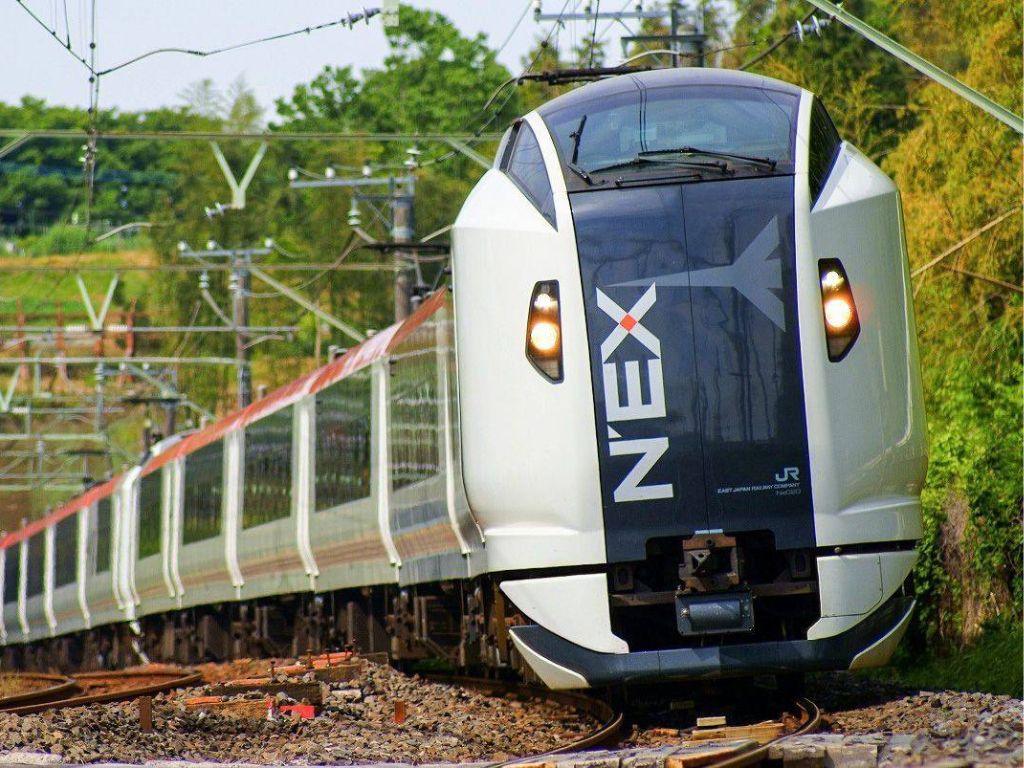
The Narita Express, often called N’EX is not the fastest or the cheapest way into the city, but it’s super convenient if you’re heading to major hubs like Tokyo Station, Shinjuku, or even Yokohama.
The quickest services reach Tokyo Station in about 53 minutes; Shinjuku is roughly 90 minutes away, depending on the train. Current adult ordinary-car fares are ¥3,140 to Tokyo and ¥3,330 to Shinagawa, Shibuya or Shinjuku, including the basic fare and limited-express charge. Check JR East’s fares and ticket options before buying. On a normal through service, the appeal is the direct ride without hauling your bags between trains.
From Tokyo Station, it’s easy to hop onto the Yamanote Line, which loops through the main neighbourhoods. On normal operating days, a through Narita Express service can make the journey to Yokohama or other stations on its route simpler. Check your particular train, especially during the November engineering work noted above.
You can book through JR East online or buy tickets at an airport counter or ticket machine. Suica alone is not enough for the Narita Express. It can cover the basic fare, but you also need a separate limited-express ticket. Reserve your seat, or follow JR East’s instructions for the specific ticket type you buy.
If you’re flying in and out of Narita within 14 days, the N’EX TOKYO Round Trip Ticket is worth comparing. It costs ¥5,200 for adults and ¥2,600 for children aged 6–11, for one outward journey from Narita and one return within 14 days. It is for non-Japanese passport holders, who must present their passport at collection. Reserve your seats and check the coverage map and onward-transfer conditions. If you already have a rail pass, check that your particular pass covers the journey before buying another ticket.
From Narita Airport To Tokyo By Bus
Narita Airport Limousine Bus: Comfortable and No Fuss
If you’re after a hassle-free ride into Tokyo, the Narita Airport Limousine Bus is a solid option. Many journeys take around an hour and a half, but the stop and traffic make a difference. It’s comfortable, there’s no need to haul your luggage through train stations, and routes serve handy places such as Tokyo Disneyland, Ginza, TCAT and Shinjuku. Check that your chosen departure serves your hotel or nearest stop.
The operator’s luggage guidelines allow up to two pieces per person, each no larger than 50 × 60 × 120 cm and no heavier than 30 kg. That can make it a good choice if you’ve got big bags or are travelling with kids. Check the restrictions before bringing oversized items.
You can buy Limousine Bus tickets online, or at an airport counter or ticket machine, subject to seats being available. On my own trip, I ran into a problem using my Malaysian card’s six-digit PIN at a machine and went to the counter instead. That was my experience, not a rule for every card or machine. It’s still sensible to have a backup payment method.

Low-Cost Buses: Budget-Friendly Options That Still Get You There
If you’re travelling on a budget, there are a couple of low-cost bus options that’ll get you into Tokyo without burning a hole in your wallet.
One of the most affordable is Airport Bus TYO-NRT. The regular adult fare is ¥1,500; designated late-night/early-morning services cost ¥3,000. Routes serve Tokyo Station and selected other stops, so check the timetable rather than assuming every bus stops at Ginza. Allow at least around 65 minutes to Tokyo Station and longer in traffic. At Narita, normally buy a ticket for a specific departure at the terminal counter; the operator gives separate boarding instructions for the last bus.
Another option is the Narita–Ikebukuro Airport Shuttle Bus. The regular daytime adult fare is ¥2,300, with a ¥1,900 advance fare available on eligible bookings made at least 24 hours ahead, subject to availability. Late-night fares differ. It’s a solid option if you’re staying near Ikebukuro or looking for a cheaper ride without too many frills.
Just keep in mind that low-cost buses have more restrictive luggage rules than the Limousine Bus. Check the operator’s allowance, dimensions and restrictions before booking, especially if you have more than one large suitcase.
From Narita Airport To Tokyo By Taxi
Taking a regular metered taxi straight from Narita Airport into Tokyo? It can be expensive. The total depends on your destination, route, traffic and any applicable surcharges or tolls. Ask for an estimate before setting off rather than treating one quoted price as a city-wide fare.
There’s also the option of a fixed-fare taxi, which some people prefer for peace of mind. Narita Airport currently lists the zone covering Shinjuku and Shibuya at ¥31,500 via the Keiyo Road or ¥32,500 via the Bayshore Freeway. Highway tolls are extra, and late-night/early-morning surcharges apply between 22:00 and 05:00. Tell the driver you want the fixed fare and confirm the route and total before departure.

Tips for Navigating Tokyo Like a Pro
Getting around Tokyo isn’t hard once you get the hang of it – but there are a few things that can make your life a whole lot easier. Here are some tips to help you move around like you’ve been here before.
Grab a Pasmo or Suica Card
This should be the first thing you get. A Pasmo or Suica card is a rechargeable IC card that works on most trains, subways, and buses in Tokyo. For ordinary local journeys, you can tap at the gate without buying a separate basic-fare ticket each time. Limited-express trains such as the Narita Express and Skyliner still require the appropriate additional ticket. You can even use it at restaurants, convenience stores and vending machines. Super handy, especially when you’re still adjusting to the city.
Learn a Few Japanese Phrases
You don’t need to be fluent, but knowing a couple of basic phrases makes a big difference. Even just saying “Konnichiwa” (hello) or “Arigatou” (thank you) can go a long way. Locals really do appreciate the effort, and sometimes, you’ll see their whole mood change when they hear it. It’s a small thing, but it adds a nice touch to your trip.
Avoid Rush Hour If You Can
Tokyo trains are amazing. Clean, fast, on time. But during rush hour it can be a different story. Between 7:30 to 9:30 in the morning and again from 5:00 to 7:00 in the evening, trains get packed. Like, shoulder-to-shoulder, no-personal-space kind of packed. If you can plan your travel outside those times, it’ll make a world of difference. You’ll have a bit more room to breathe, and a better chance of grabbing a seat.

Stand Still on Escalators
On station escalators, stand still and hold the handrail. JR East asks passengers not to walk on escalators. Use the stairs if you need to walk, and consider a lift when you’re handling large luggage.
Respect the Queue
Japanese people take queuing seriously. Whether it’s for the train, at a bus stop, or waiting to enter an attraction, lining up in an orderly fashion is just the way things are done. No cutting, no crowding. Just wait your turn. It’s one of those little things that keeps everything running smoothly.
Keep It Quiet on Trains
Trains in Tokyo can be crowded and hectic, but weirdly enough, they’re also super quiet. People don’t talk loudly, and phone calls are a no-no. Most folks just sit quietly, scroll on their phones, or doze off. It’s kind of amazing, honestly. So if you’re travelling with friends or family, try to keep conversations low and avoid playing any media out loud. It’s just part of being considerate in that space.
Don’t Tip
This one surprises a lot of people. Tipping just isn’t a thing in Japan. Even if the service is amazing (and it often is), leaving a tip can actually cause confusion or even come across as a bit rude. Great service is just expected here, so don’t worry about tipping at restaurants, in taxis, or even at hotels. It’s already included in the culture.
Cash is Still King
Japan’s getting better with card payments, especially in bigger stores and hotels, but cash is still the go-to in a lot of places. Smaller shops, street food stalls, and older restaurants might not take cards at all. It’s a good idea to keep some yen on you, as not every ATM accepts international cards, so stick to ones in convenience stores like 7-Eleven, FamilyMart, or Lawson. They’re everywhere, and they usually work with foreign cards.
FAQs About Getting From Narita Airport to Tokyo
How long does it take to get from Narita Airport to Tokyo using the Narita Express?
Are there any direct buses from Narita Airport to hotels in Tokyo?
Can I use a Suica card on the Narita Express?
Is it necessary to rent a car in Tokyo?
Are taxis expensive in Tokyo?
Final Thoughts
Figuring out how to get from Narita Airport to Tokyo might feel a bit overwhelming at first, but once you understand the basics, it’s really not too bad. Whether you go for the speed of the Keisei Skyliner, the direct comfort of the Narita Express, the no-fuss Airport Limousine Bus, or one of the budget-friendly buses, there’s something that’ll suit your style and budget.
At the end of the day, the goal is the same. Getting into Tokyo comfortably so you can start soaking it all in. From ancient temples and quiet gardens to neon-lit streets and futuristic train stations, Tokyo is full of surprises. So get ready, you’re in for something special.
What is the best way to travel from Narita Airport to Tokyo?
The best route depends on the hotel location, arrival time, luggage and number of travellers. The Narita Express and Keisei rail services suit many central districts, while airport buses or private transfers can be easier when travelling with children, several bags or limited station access.
Narita Airport to Tokyo transport comparison
Compare the final hotel location rather than choosing only by the fastest advertised journey.
- Narita Express: normally direct to several major stations; basic fare plus limited-express ticket required. Check temporary service changes.
- Keisei Skyliner: fast access to Ueno and Nippori
- Airport bus: useful when it serves the hotel or nearby stop
- Taxi or private transfer: convenient for groups and substantial luggage
- Allow extra time for immigration, baggage collection and onward connections