
Seasonal guidance checked on 29 October 2026. Climate averages help with planning but do not predict the weather for your travel dates.
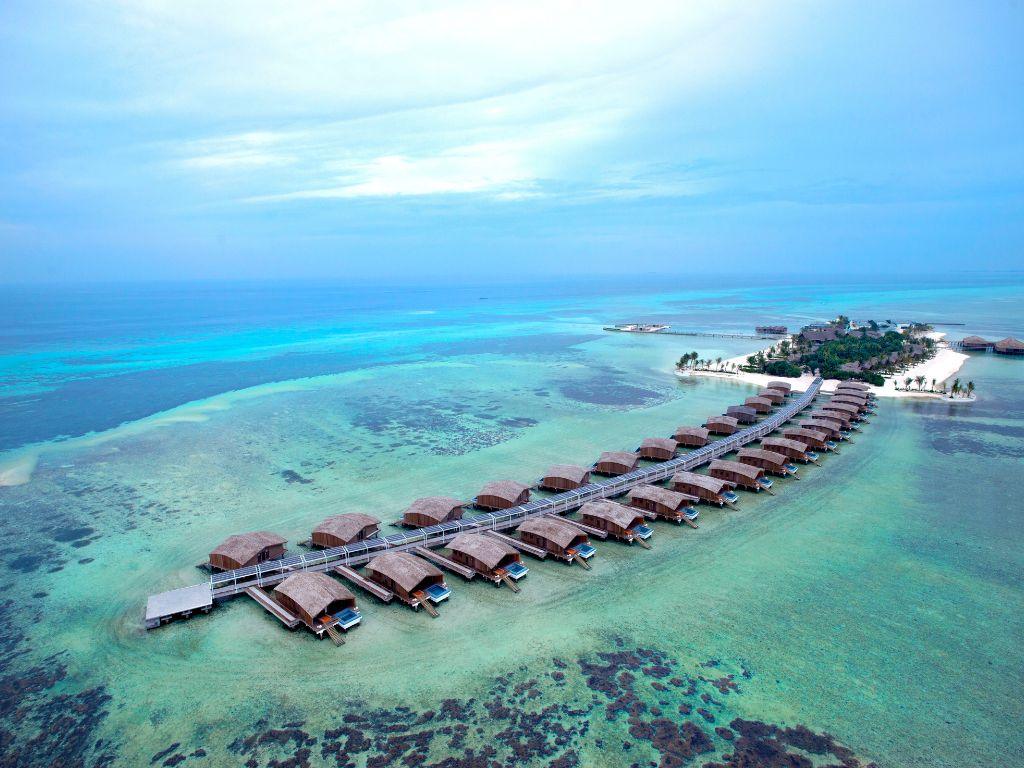
Let’s be honest, the Maldives is pretty stunning all year round. White sands, turquoise waters, those dreamy overwater villas, it’s hard to go wrong. But if you’re wondering about the best time to visit Club Med Maldives, you’re not alone. Timing can make all the difference between a perfect beach day and… well, getting caught in tropical rain with nowhere to run.
So, when’s the best time to visit Club Med Maldives?
If sunshine is your priority, January to March is normally the driest period to consider for Club Med Maldives. The Maldives Meteorological Service identifies these months as the northeast monsoon, or dry season. December and April are transitional months, so it is misleading to treat the whole November-to-April period as reliably dry.
Whether you’re planning to snorkel, lie flat on the beach with a cocktail in hand, or finally finish that book you’ve been pretending to read for months, January to March generally gives you better odds of sunshine. The Maldives stays warm throughout the year, with temperatures averaging around 25–32°C. These are long-term seasonal patterns, not a forecast for your holiday: rain, wind and rough seas can occur in any month.
But what about the rest of the year?
The southwest monsoon, or wet season, normally runs from mid-May through November. December and April are transitional, and the changeover does not happen on a fixed date every year. But here’s the thing: “wet” doesn’t mean it rains all the time. Sunny spells can occur between showers, although rain, wind and choppy seas may affect outdoor plans. You may find lower rates outside peak dates, but compare actual quotations and school-holiday demand rather than assuming every wet-season stay is cheaper or quieter.
So if you’re okay with a bit of unpredictability and maybe fewer people around, this might actually be the best time to visit Club Med Maldives for you. Especially if you’re after peace and privacy over picture-perfect sunsets.
Manta Rays & Magic: Timing Depends on the Site
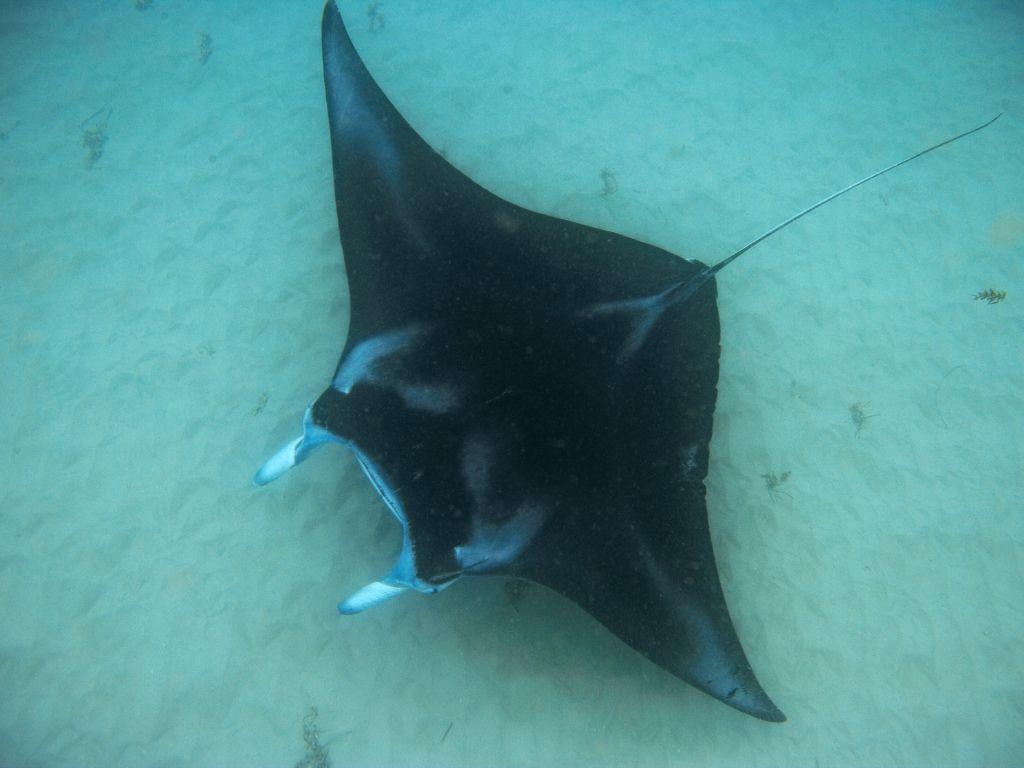
If seeing manta rays up close is on your bucket list, the best timing depends on the atoll and excursion site. June to November can be a useful starting point for some sites, but it is not one fixed season for the whole Maldives. The Maldives Manta Conservation Programme explains that reef manta rays live in the Maldives year-round and move with the monsoons and their food supply.
If you’re staying at Club Med Kani or Finolhu Villas, ask the resort or excursion operator which sites are accessible during your stay, whether a trip is suitable for your swimming or diving ability, and what it costs. Sightings, water visibility and boat departures depend on local conditions and cannot be guaranteed.
Where to Stay: Club Med Kani vs Club Med Finolhu Villas
Now that we’ve figured out when to go, let’s talk about where to stay.
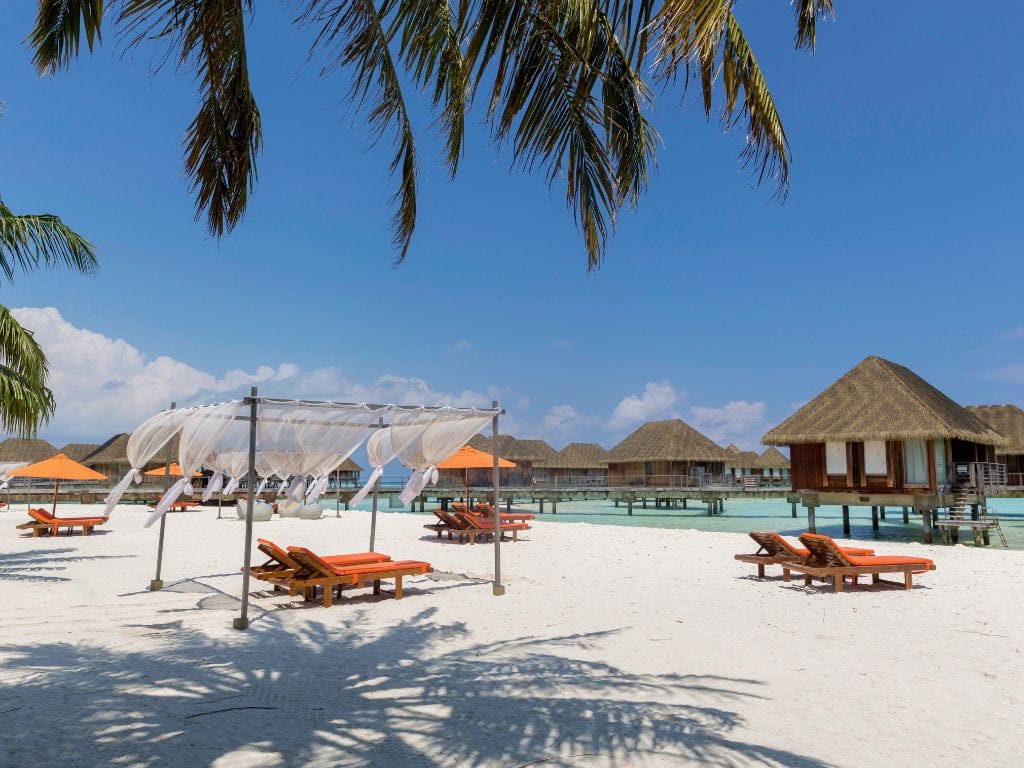
Club Med Kani is perfect if you want a fun, vibrant atmosphere. It’s on its own private island and is great for couples, solo travellers, and even families with older kids. You’ve got overwater suites, beachfront rooms, daily activities, snorkelling activity, sailing, and multiple restaurants. Meals, selected drinks and many activities are included; spa treatments, scuba diving and other optional services cost extra. It’s the kind of place where you can do as much or as little as you want.
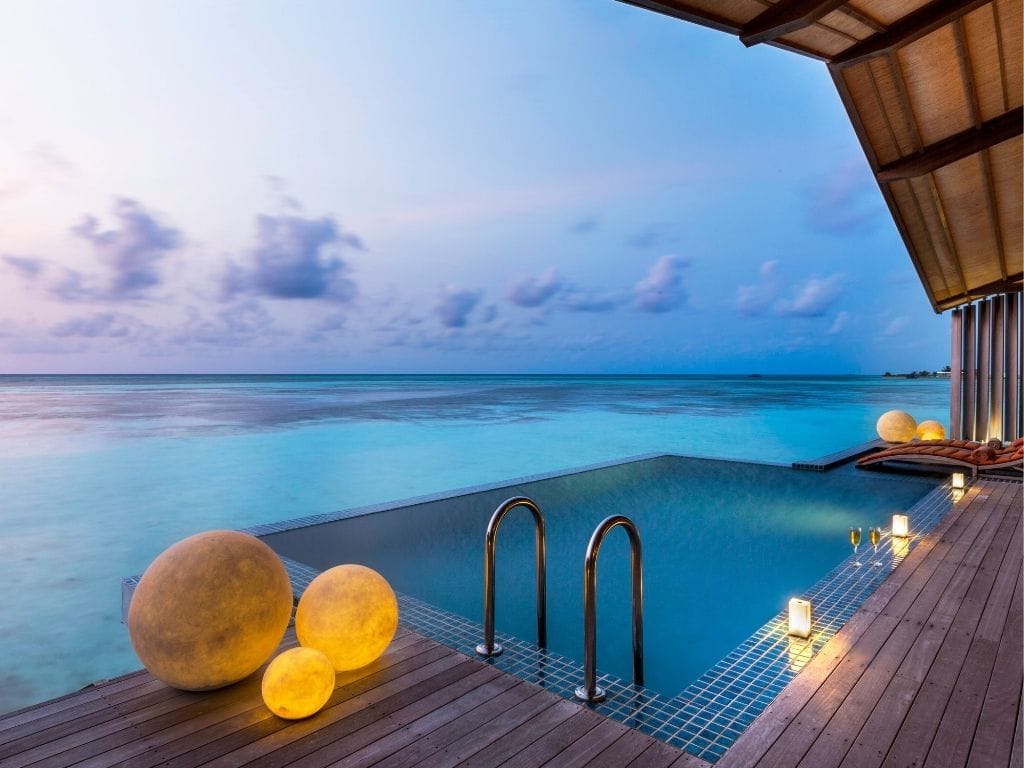
On the other hand, Club Med Finolhu Villas is just across the water but gives off a completely different vibe. More luxurious, more intimate, and honestly a little more romantic. If you’re thinking of a honeymoon or just a break from chaos, this is probably your spot. Think private butlers, private pools, gourmet dining, and spa treatments with ocean views. Finolhu guests can visit Club Med Kani using the resort’s approximately five-minute shuttle boat; confirm the current timetable and access arrangements rather than assuming unrestricted access in both directions.
Why the Best Time To Visit Club Med Maldives Really Matters
Aside from sunshine, think about what you actually want to do. Diving visibility, currents and wildlife sightings vary by site and season. Ask about the excursions available for your dates rather than assuming the driest months are automatically best for every activity.
Keep some flexibility in your plans. A dry-season booking does not guarantee calm sea transfers, uninterrupted excursions or on-time flights. Check the forecast close to departure and follow the resort and boat operator’s advice if conditions change.
If you’re flexible about outdoor plans, travelling outside peak dates can still be rewarding. Compare resort and flight prices for your actual dates, and leave room for a relaxed day indoors if the weather turns.
So, what’s the verdict?
If sunshine is your main priority, start with January to March, the normally dry season. December and April are transitional months; mid-May to November is normally wetter. None of these periods guarantees a particular week’s weather, and the best time to visit Club Med Maldives also depends on your budget, activities and school-holiday dates.
For manta ray lovers, choose dates around advice for the specific sites your operator visits, not a country-wide promise. Whatever month you choose, leave some time to enjoy the island itself, from a poolside drink to a sunset walk when conditions allow.
In Summary – Best Time To Visit Club Med Maldives:
- Normally driest: January to March, without a guarantee of sunshine every day
- Transitional months: December and April; normally wetter from mid-May to November
- Manta rays: Timing varies by site; confirm local excursion advice and expect no guaranteed sightings
- Value: Compare actual flight and resort prices outside peak dates
- Best for luxury: Club Med Finolhu Villas
- Best for fun and activities: Club Med Kani